
Exclusive invitation-only access. Global public launch coming in 2026.

-1x1-avatar.jpg)
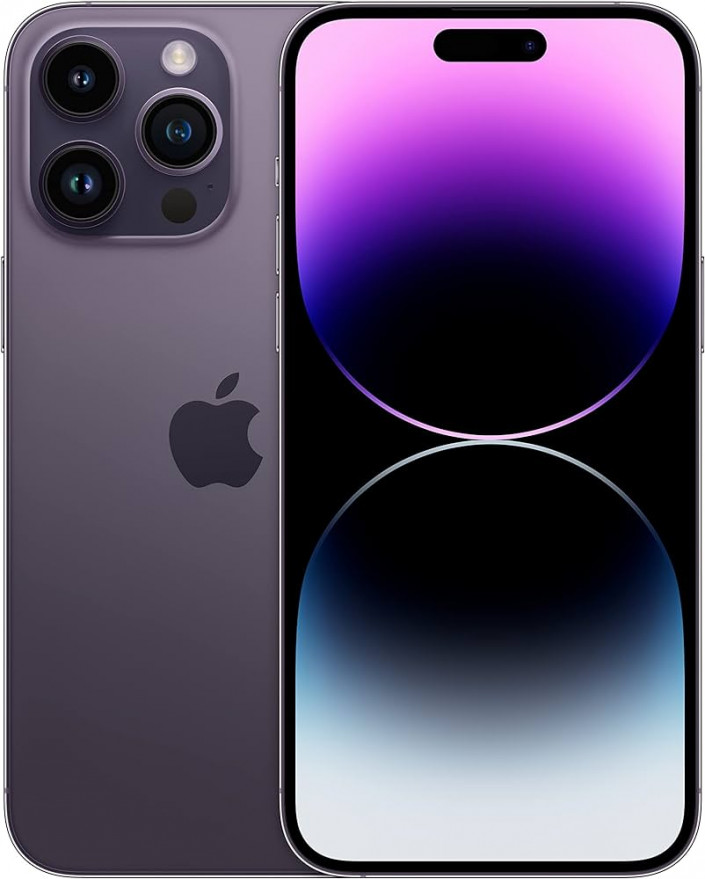
Technical Review of the iPhone 14
Introduction
The iPhone 14, launched in September 2022, continues the trend of incremental improvements that Apple brings to its models each year. Focusing on performance, camera features, and battery life, it aims to maintain Apple's position as a leader in the smartphone market. Here is an in-depth analysis of its features, advantages, drawbacks, and a comparison with its competitors.
Features
- Display: 6.1-inch Super Retina XDR OLED display, 1170 x 2532 pixels, HDR10, Dolby Vision.
- Processor: Apple A16 Bionic, based on a 5nm architecture.
- Cameras:
- Dual rear camera (12 MP each): ultra-wide and wide with sensor and aperture improvements.
- Front camera of 12 MP with TrueDepth.
- Battery: 3279 mAh capacity, with optimized endurance through the processor and software improvements.
- Operating System: iOS 16, expandable to later versions.
- Storage: Options of 128 GB, 256 GB, 512 GB, 1 TB.
- Others: 5G, MagSafe, Face ID, water and dust resistant (IP68), wireless charging, Spatial Audio, Dolby Atmos.
Advantages
- Display: The Super Retina XDR OLED screen continues to deliver vivid colors, deep blacks, and excellent brightness, ideal for media consumption and gaming.
- Performance: The A16 Bionic chip, based on an improved architecture, offers top-tier performance, making multitasking, gaming, and heavy applications extremely smooth.
- Cameras: Enhancements to the camera system enable high-quality photos and videos, with better low-light performance and new software features for photography and videography.
- Battery life: Thanks to ongoing optimization, battery life allows extensive usage throughout the day without concern.
- MagSafe and 5G: Compatibility with MagSafe allows wireless charging and a variety of magnetic accessories, while 5G guarantees ultra-fast connection speeds for an improved user experience.
Disadvantages
- Price: The cost of the iPhone 14 remains high, which could deter some consumers, especially those considering mid-range options.
- No included charger and Earbuds: In line with Apple's current policy, the iPhone 14 comes without a charger or headphones, requiring additional purchases for new users.
- Lack of high refresh rate: Unlike the Pro models, the standard iPhone 14 does not feature a 120 Hz display, which may be a drawback for some demanding users.
- Same design as previous models: The overall design remains similar to the iPhone 13, which may disappoint those seeking a notable aesthetic change.
Comparisons with other market technologies
- Samsung Galaxy S22:
- Display: 6.1-inch Dynamic AMOLED 2X display with 120 Hz refresh rate.
- Processor: Exynos 2200/Snapdragon 8 Gen 1, offering comparable performance.
- Camera: Triple camera system providing excellent flexibility and quality, with advanced software features.
- Price: Often slightly less expensive than the iPhone 14.
- Advantages: 120 Hz refresh rate, innovative design with a unique camera module, under-display fingerprint sensor.
- Google Pixel 6 Pro:
- Display: 6.7-inch LTPO AMOLED display with a variable refresh rate up to 120 Hz.
- Processor: Google Tensor, delivering solid performance with advanced AI capabilities.
- Camera: Triple camera system with excellent software optimization for photography.
- Price: Generally less expensive than the iPhone 14.
- Advantages: Pure Android interface, quick software updates, exclusive Google features, exceptional photography performance.
Credit: Apple
Conclusion
The iPhone 14 is an excellent choice for those seeking a high-performance smartphone with cutting-edge features and great reliability. Although its high price and some limitations like the absence of a high refresh rate screen are disadvantages, it offers a solid set of features making it a strong competitor in the premium smartphone market. Users will appreciate the improvements in performance, camera, and battery life, as well as compatibility with 5G and MagSafe for future-proof use. For those looking for a modern, well-balanced, and durable device, the iPhone 14 remains a highly attractive option.
Technical Review of the iPhone 13
Introduction
The iPhone 13, launched in September 2021, builds on the success of previous models with targeted improvements in performance, camera capabilities, and battery life. It aims to strengthen Apple's position in the mid-to-high-end smartphone market. Here is an in-depth analysis of its features, advantages, drawbacks, and a comparison with its competitors.
Features
- Display: 6.1-inch Super Retina XDR OLED display, 1170 x 2532 pixels, HDR10, Dolby Vision.
- Processor: Apple A15 Bionic, based on a 5nm architecture.
- Cameras:
- Dual rear camera (12 MP each): ultra-wide and wide with an improved sensor.
- Front camera of 12 MP with TrueDepth.
- Battery: 3240 mAh capacity, with significantly improved endurance.
- Operating System: iOS 15, expandable to later versions.
- Storage: Options of 128 GB, 256 GB, 512 GB.
- Others: 5G, MagSafe, Face ID, water and dust resistant (IP68), wireless charging, Spatial Audio, Dolby Atmos.
Advantages
- Display: The Super Retina XDR OLED screen offers vibrant colors, deep blacks, and increased brightness, providing an exceptional visual experience.
- Performance: The A15 Bionic chip ensures unmatched performance, easily surpassing most other smartphones in speed and energy efficiency.
- Cameras: Camera improvements, including a larger sensor for better low-light capture, enable high-quality photos and videos, even in challenging lighting conditions.
- Battery life: Increased battery capacity allows for better autonomy, often sufficient for a full day of intensive use.
- MagSafe and 5G: Compatibility with MagSafe for easy wireless charging and magnetic accessories; 5G guarantees ultra-fast network speeds for future usage.
Disadvantages
- Price: As always with Apple products, the price can be prohibitive for some consumers, though the value-for-money remains competitive for a high-end device.
- No charger and earphones included: Like the iPhone 12, the iPhone 13 is shipped without a charger or earbuds, requiring extra purchases.
- No high refresh rate: Unlike the Pro models, the iPhone 13 does not feature a 120 Hz display, which could be a downside for some demanding users.
- Design similar to previous models: Although slightly refined, the overall design remains very similar to the iPhone 12, which might disappoint those seeking a significant aesthetic change.
Comparisons with other market technologies
- Samsung Galaxy S21:
- Display: 6.2-inch Dynamic AMOLED 2X display with 120 Hz refresh rate.
- Processor: Exynos 2100/Snapdragon 888, comparable performance.
- Camera: Triple camera offering excellent versatility and quality.
- Price: Usually slightly less expensive than the iPhone 13.
- Advantages: 120 Hz refresh rate, innovative design with a unique camera module, under-display fingerprint sensor.
- Google Pixel 6:
- Display: 6.4-inch OLED screen with a 90 Hz refresh rate.
- Processor: Google Tensor, delivering solid performance with advanced AI capabilities.
- Camera: Dual-camera system with excellent software optimization for photography.
- Price: Usually less expensive than the iPhone 13.
- Advantages: Pure Android interface, quick software updates, exclusive Google features, outstanding photography performance.
Conclusion
The iPhone 13 is a solid and reliable smartphone, offering cutting-edge performance, improved battery autonomy, and advanced photographic capabilities. It positions well within the high-end smartphone segment, though its price and some missing features (like a 120 Hz refresh rate) could be points of dissatisfaction for some users. In terms of quality-to-price ratio, it provides an excellent user experience and is well prepared for future years thanks to 5G compatibility and hardware improvements. For those seeking a high-performing and well-balanced device, the iPhone 13 remains a very attractive choice.
Technical Review of the iPhone 12
Introduction
The iPhone 12, launched in October 2020, brought several notable improvements over its predecessors. It positions itself as a flagship model aimed at appealing to a wide audience, combining performance, design, and advanced features. Here is an in-depth analysis of its characteristics, advantages, drawbacks, and a comparison with its competitors.
Features
- Display: 6.1-inch Super Retina XDR OLED, 1170 x 2532 pixels, HDR10, Dolby Vision.
- Processor: Apple A14 Bionic, based on a 5nm architecture.
- Cameras:
- Dual rear camera (12 MP each): ultra-wide and wide.
- Front camera of 12 MP with TrueDepth.
- Battery: 2815 mAh capacity, with satisfactory autonomy thanks to software optimization.
- Operating System: iOS 14, expandable to later versions.
- Storage: Options of 64 GB, 128 GB, 256 GB.
- Others: 5G, MagSafe, Face ID, water and dust resistance (IP68), wireless charging, Spatial Audio, Dolby Atmos.
Advantages
- Display: The OLED screen provides deep blacks and vibrant colors, with better resolution and higher brightness compared to the iPhone 11.
- Performance: The A14 Bionic chip is extremely powerful, surpassing many competitors and offering excellent speed in gaming, multitasking, and energy efficiency.
- 5G: Compatibility with 5G prepares the iPhone 12 for next-generation networks, delivering significantly improved download and browsing speeds.
- Design: Return to a more angular look reminiscent of the iPhone 4, with flat aluminum edges, providing a solid and stylish grip.
- MagSafe: The MagSafe system allows for more efficient wireless recharge and opens the door to a variety of magnetic accessories.
Disadvantages
- Battery: Although acceptable, the autonomy may not suffice for heavy users.
- Limited baseline storage: The 64 GB option can quickly become insufficient for media-heavy users.
- No included charger: Apple has ceased including a charger in the box, requiring new users to purchase one separately if they don’t already have a compatible one.
- Price: The cost might be a barrier for some consumers, although it remains competitive for a high-end device.
Comparisons with other market technologies
- Samsung Galaxy S21:
- Display: 6.2-inch Dynamic AMOLED 2X, comparable quality.
- Processor: Exynos 2100/Snapdragon 888, similar in performance.
- Camera: Triple camera with excellent versatility and quality.
- Price: Usually slightly less expensive, with frequent promotions.
- Advantages: 120 Hz refresh rate, larger battery, under-display fingerprint sensor.
- Google Pixel 5:
- Display: 6-inch OLED, slightly smaller but very good quality.
- Processor: Snapdragon 765G, less powerful than the A14 Bionic but sufficient for daily use.
- Camera: Dual camera system with excellent software optimization.
- Price: Less expensive than the iPhone 12.
- Advantages: Pure Android experience, quick software updates, exclusive Google features.
Conclusion
The iPhone 12 is an excellent choice for those looking for a high-performance smartphone with modern features like 5G and MagSafe. It combines elegant design, outstanding performance, and robust build quality. While its price and certain limitations, such as the absence of an included charger, might be drawbacks, it remains a very attractive option in the high-end smartphone segment. Users should also consider storage needs and the potential impact of battery life during intensive usage.
Technical Review of the iPhone 11 Pro Max
Introduction
The iPhone 11 Pro Max, released in September 2019, marked a significant step forward in Apple's smartphone lineup. It is a high-end device intended to compete with the best smartphones on the market. Here is an in-depth analysis of its features, advantages, drawbacks, and a comparison with its competitors.
Features
- Display: 6.5-inch Super Retina XDR OLED, 1242 x 2688 pixels, HDR10, Dolby Vision.
- Processor: Apple A13 Bionic, one of the most powerful of its time.
- Cameras:
- Triple rear camera (12 MP each): ultra-wide, wide, telephoto.
- Front camera of 12 MP with TrueDepth.
- Battery: 3969 mAh, improved from previous models.
- Operating System: iOS 13, expandable to later versions.
- Storage: Options of 64 GB, 256 GB, 512 GB.
- Others: Face ID, water and dust resistance (IP68), wireless charging, Spatial Audio, Dolby Atmos.
Advantages
- Display quality: The Super Retina XDR OLED screen is among the best on the market, offering vibrant colors, deep blacks, and excellent brightness.
- Performance: Thanks to the A13 Bionic chip, the iPhone 11 Pro Max is extremely fast and capable of handling demanding apps and games with ease.
- Cameras: The triple camera system provides impressive flexibility for photography and videography.
- Battery autonomy: The battery capacity improvement allows for prolonged use, often a whole day of intensive usage.
- Construction and design: The stainless steel finish and matte textured glass back give a premium and durable feel.
Disadvantages
- Price: The iPhone 11 Pro Max is expensive, even compared to other high-end smartphones.
- No 5G: Unlike some competitors launched around the same time, it does not support 5G, limiting its future-proofing.
- Limited base storage: The 64 GB option can be insufficient for media enthusiasts.
- No USB-C port: Continuing with the Lightning port instead of USB-C is seen as a drawback, especially for users with multiple devices requiring different cables.
Comparisons with other technologies on the market
- Samsung Galaxy Note 10+:
- Display: Similar quality with a Dynamic AMOLED display.
- Processor: Exynos 9825/Snapdragon 855, slightly below the A13 Bionic in raw performance.
- Camera: Four-camera system, including a depth sensor. Comparable but excels in video.
- Price: Similar, often slightly cheaper.
- Advantages: S Pen stylus, USB-C port, 5G support.
- Google Pixel 4 XL:
- Display: 6.3-inch P-OLED, very good quality but slightly smaller.
- Processor: Snapdragon 855, powerful but below the A13 Bionic.
- Camera: Dual camera with excellent software optimization.
- Price: Generally cheaper.
- Advantages: Pure Android experience, quick updates, exclusive Google features.
Conclusion
The iPhone 11 Pro Max remains an excellent choice for those seeking a premium device with solid performance and exceptional photographic capabilities. Its high price and absence of some modern features like 5G and USB-C can be deterrents. Nevertheless, it continues to stand out for its build quality, integrated ecosystem, and smooth user experience typical of Apple products.
Overall Conclusion on the Technical Evolution of iPhones 11, 12, 13, and 14
The technical evolution of the iPhone 11, 12, 13, and 14 reflects Apple's strategy of delivering ongoing targeted improvements to its smartphones while maintaining a solid foundation of performance, design, and features.
iPhone 11
- Introduction: The iPhone 11 marked a turning point with the introduction of the dual-camera system, significantly enhancing photographic capabilities. It also brought improvements in performance with the A13 Bionic chip.
- Strengths: Solid performance, camera improvements, excellent battery life.
- Limitations: Lack of 5G, LCD screen (instead of OLED on Pro models).
iPhone 12
- Introduction: The iPhone 12 introduced 5G, a redesigned flat-edge design reminiscent of the iPhone 4, and an OLED screen on all models, offering better display quality.
- Strengths: 5G compatibility, modernized design, OLED screen, A14 Bionic chip.
- Limitations: Slightly lower battery life than the iPhone 11, no included charger.
iPhone 13
- Introduction: The iPhone 13 brought performance improvements with the A15 Bionic chip, significantly better battery life, and camera updates for better low-light performance.
- Strengths: Better autonomy, increased performance, improved cameras, introduction of MagSafe.
- Limitations: No high refresh rate on standard models, similar design to the iPhone 12.
iPhone 14
- Introduction: The iPhone 14 advances with the A16 Bionic chip, continued camera improvements, and optimized battery life. It also emphasizes user experience with iOS 16.
- Strengths: Cutting-edge performance, ongoing camera enhancements, excellent battery autonomy, 5G and MagSafe compatibility.
- Limitations: High price, similar design to previous models, no included charger or earphones.
Summary of the Technological Evolution
Performance: Each iPhone generation has delivered significant performance improvements, with increasingly powerful chips (A13, A14, A15, and A16 Bionic), ensuring smooth and efficient use for demanding applications.
Cameras: Apple has continually enhanced its camera capabilities, introducing larger sensors, better low-light performance, and advanced software features for photography and videography.
Display: Transition to OLED screens across all models from iPhone 12 marked a notable quality leap, with more vibrant colors and deeper blacks.
Connectivity: Introduction of